These projects stem from interdisciplinary collaboration among designers, HIV clinicians, HIV researchers, and users, aiming to provide solutions to issues concerning HIV prevention, diagnosis, and stigma. They combine service, creative, participatory, and user-centred design approaches with scientific and clinical expertise to tackle emerging challenges.
P1-The HIV Self-Testing Vending Machine
BMJ (British Medical Journal) 2018 Innovation Award
2017 / Service/Product/Interaction/Graphic
Project Partners: Martin Fisher Foundation, Brighton and Sussex Medical School, and Brighton University, with funding from Public Health England.
My role: Team project conception and bid preparation. Co-researcher and designer (including service design, interaction design, visual/graphic design, and participatory design activities)
Date: Summer 2020
Project summary
The project aimed to provide convenient access to HIV self-testing for high-risk MSM (Men who have sex with men) by installing vending machines in popular venues. It involved designing, customising, installing, and testing an HIV self-testing kit vending machine and establishing a user support platform. A multi-touchpoint service approach was implemented to promote user engagement, including social media interactivity via Twitter and printed informative leaflets. Following a successful pilot programme at a venue in Brighton, the project expanded to include additional machines in Brighton and internationally in Japan and Zambia.
The project development team included four HIV medical experts and two designers with experience in product, interaction, and service design.
This project was awarded the BMJ (British Medical Journal) 2018 Innovation Award, recognising its innovative nature and participatory design focus involving users and stakeholders. This recognition underscores the use of design to advance accessibility in HIV self-testing.
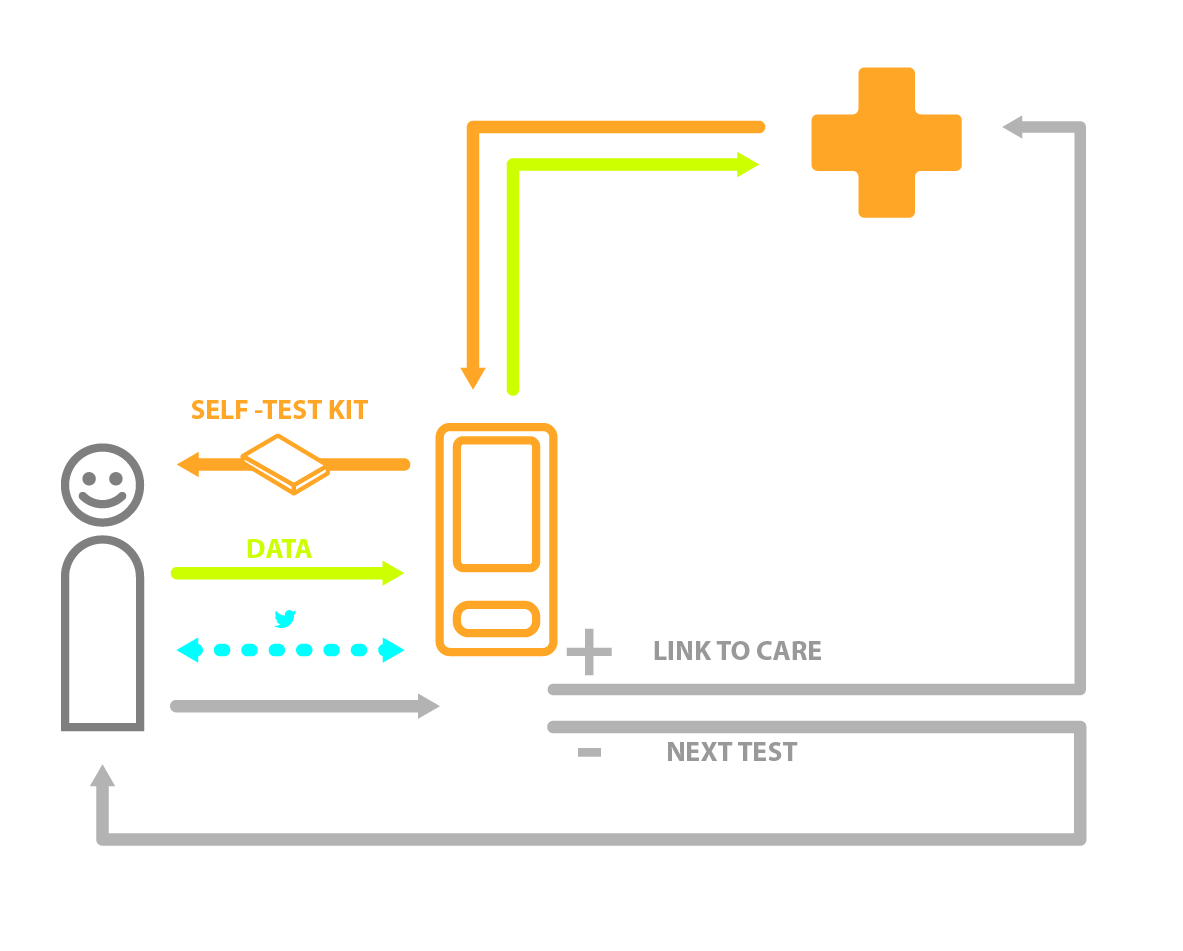
The vending machines act as a touchpoint for the NHS’s support services for people living with HIV. Users can access links to NHS-provided HIV testing and care services while sharing anonymous health data and connecting with others via social media. The machine aims to enhance user engagement and provide an essential healthcare resource.
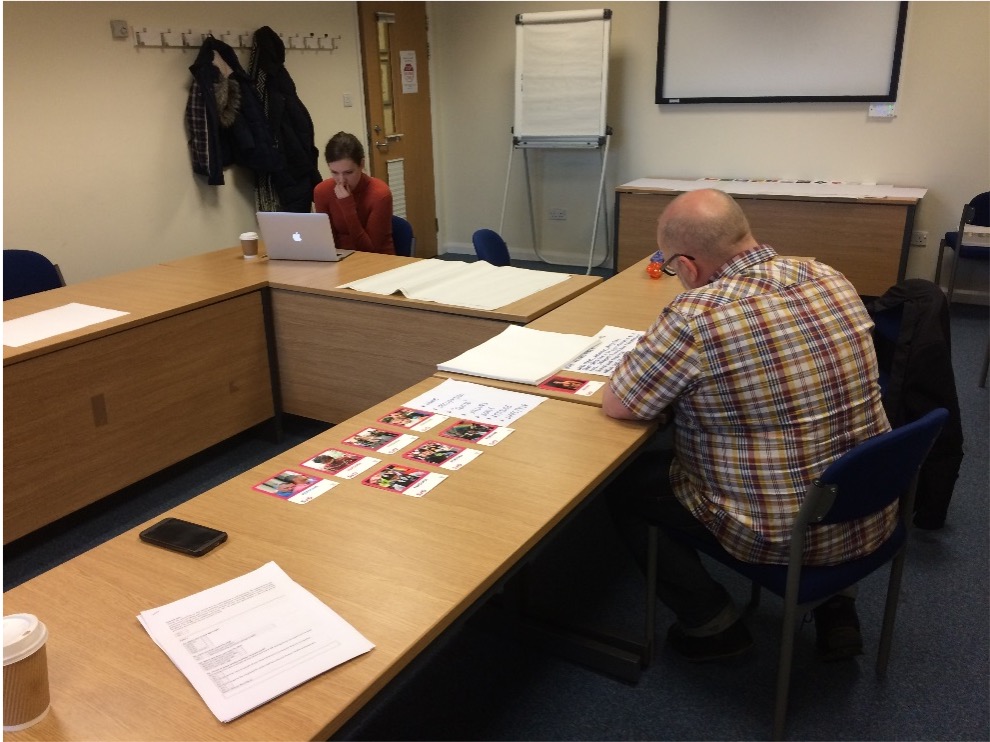
The project involved participatory workshops to evaluate the proposed interactive features of the machine in terms of usability, accessibility, and acceptability. This included identifying usage scenarios using “persona” cards and testing interactions through paper prototyping.
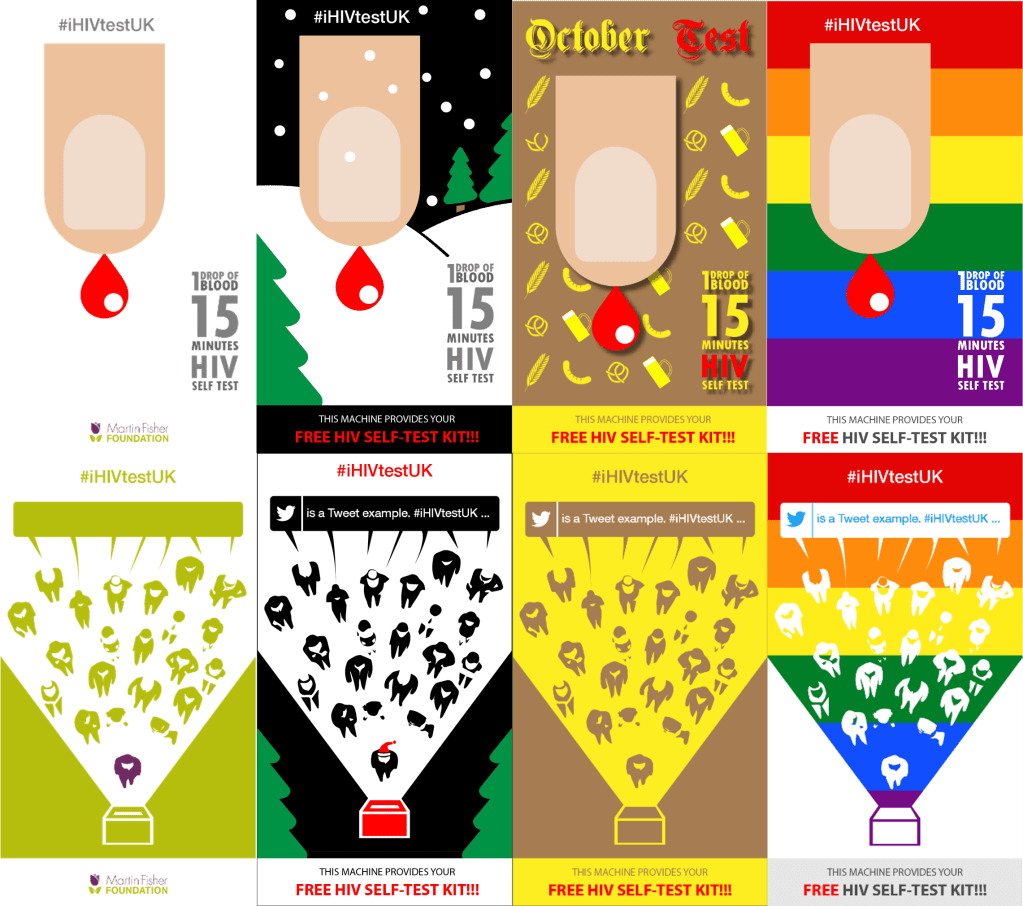
Promotional digital posters, intended for display on the machine screen, were designed to promote usage. The initial concepts of these posters were presented to and evaluated by potential users for message clarity, image suitability, and aesthetic quality. The image above showcases the two final concepts, along with seasonal variations.
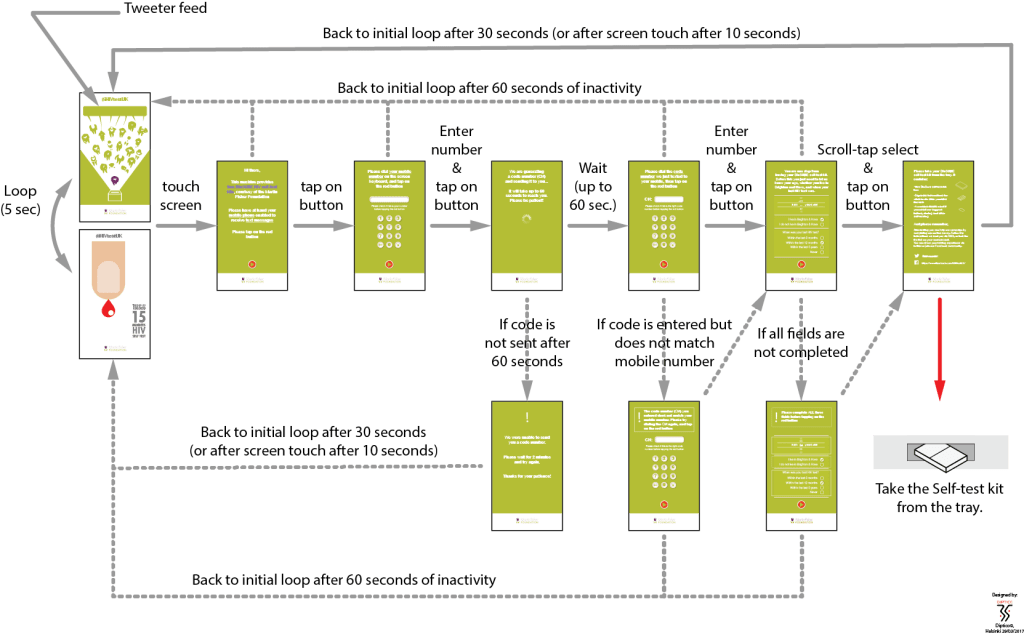
The machine users are prompted to input their mobile number and some basic personal demographic details to obtain a code for accessing their free self-test kit. The machine interface was designed to enable smooth and rapid interaction while adhering to personal data protection regulations and reassuring users about privacy concerns.
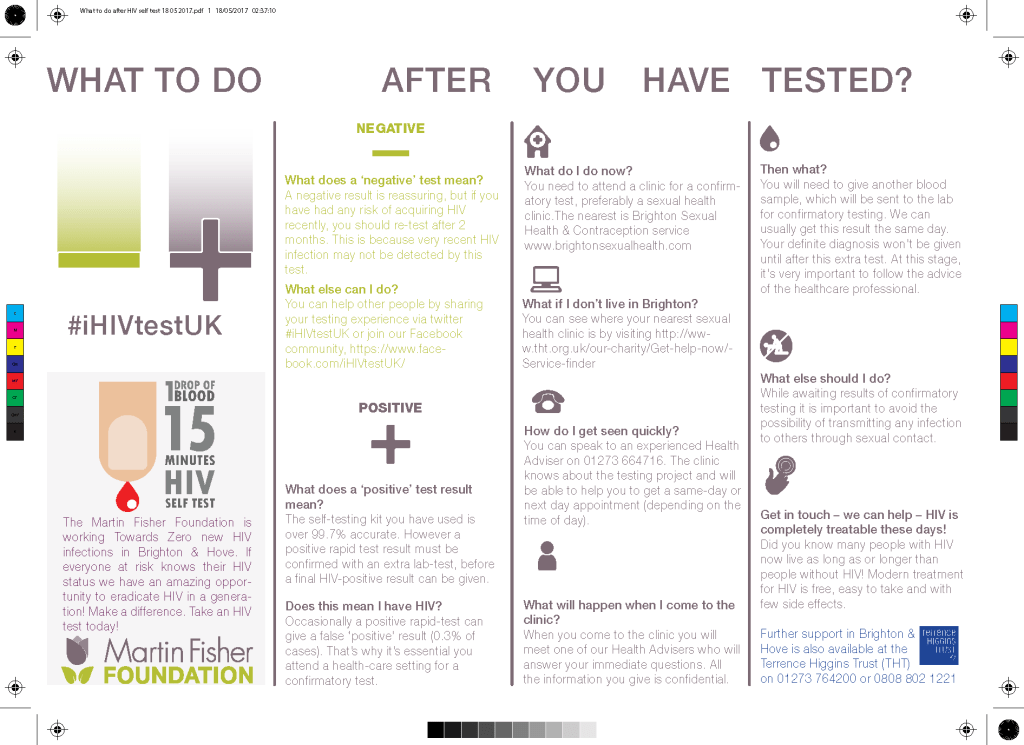
Information leaflets were designed, printed, and attached to the HIV self-test kits. They played a crucial role in enabling users to access care. The leaflets provided guidance on post-testing actions and accessing relevant NHS support and care services free of charge. The development and design of these leaflets entailed iterative consultation with clinicians and HIV researchers.
P2-HIV Antistigma Campaign
2017 / Digital/Visual/Conceptual/Participatory
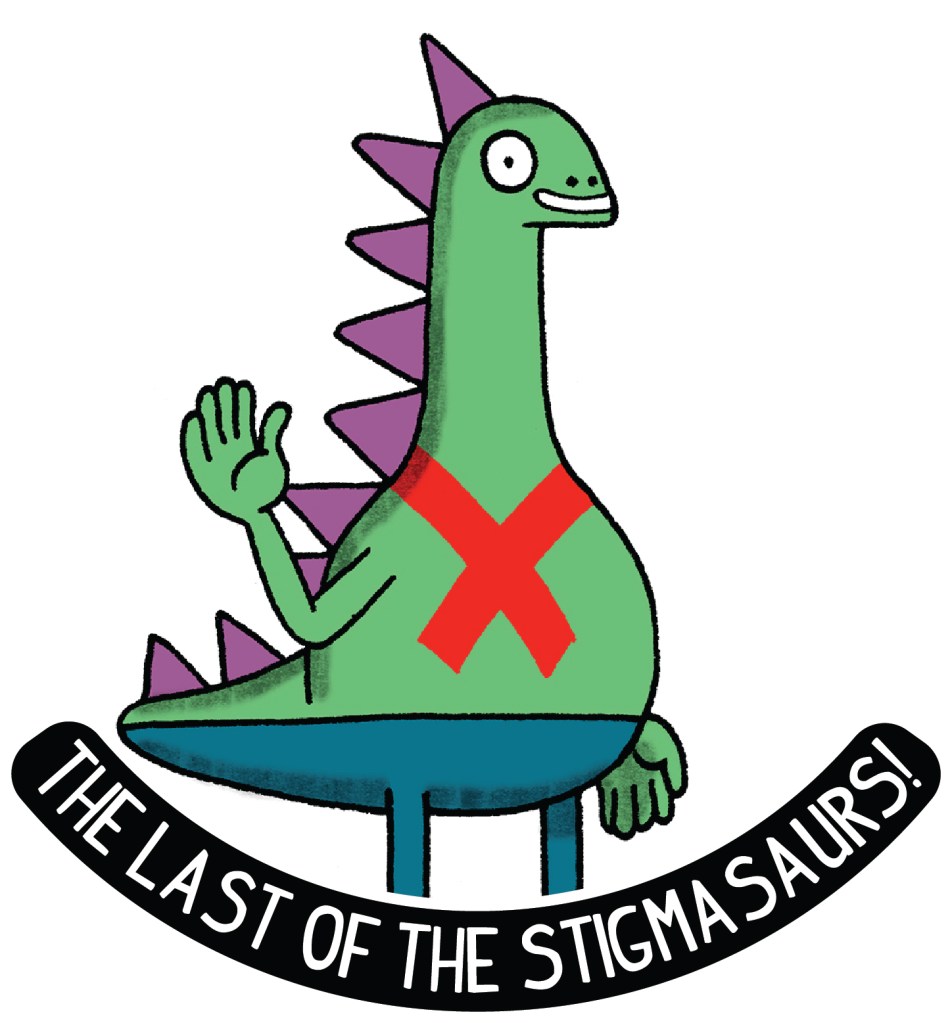
Project Partners: Brigton GP’s, Brighton and Sussex Medical School, and Brighton University, with funding from ViiV Healthcare. (Stigmasaur Illustrations by Daniel Locke)
My role:
Project conception, bid preparation, co-researcher and designer (Including design and direction of participatory workshops and visual prompts)
Date:
Summer 2020
Project Summary
The project aimed to reduce HIV stigma by creating a digital anti-stigma campaign for the general population. Developed through participatory design methods involving individuals living with HIV and members of the general population, the campaign encompassed the development of various social platforms, video content, and branding elements.
Campaign content, including video scripts and campaign messages, was generated through a series of participatory design workshops with individuals living with HIV and members of the general population.
The project team consisted of three HIV expert clinicians, one social scientist, two designers specialising in product/service design, and a patient representative living with HIV.
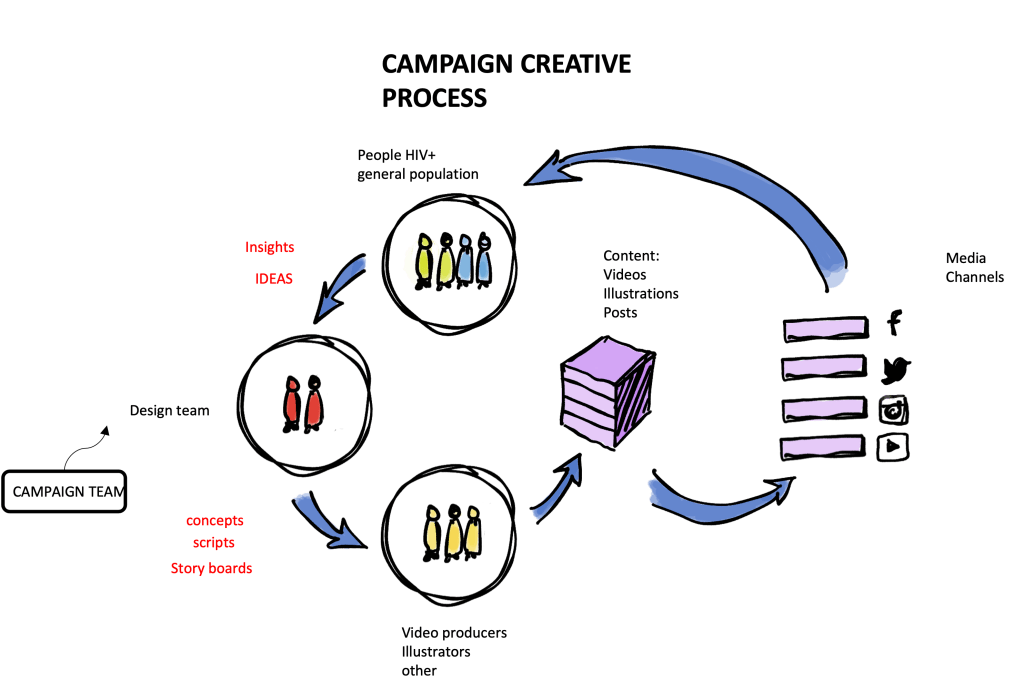
The development of the campaign involved a participatory, iterative design process. Individuals living with HIV and general population members contributed concepts and provided feedback on earlier versions of the campaign’s content and messages. The project design team facilitated this process and integrated the feedback into the campaign elements: videos, illustrations, and messages, liaising with video producers, professional illustrators, and social media managers.
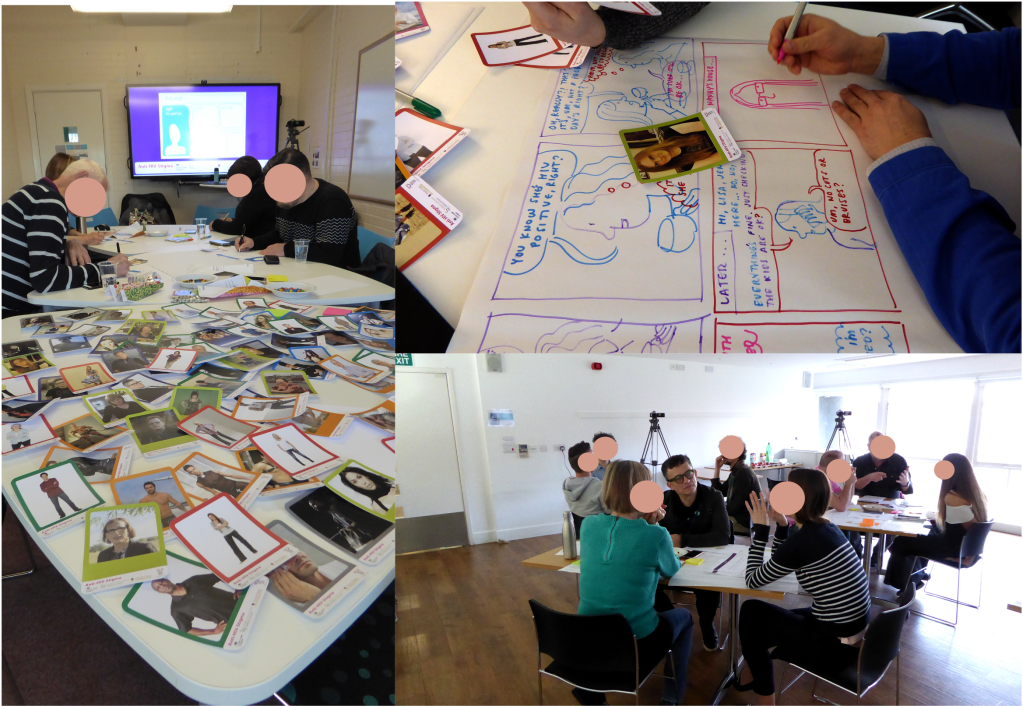
A series of participatory design workshops were arranged to understand the stigma experiences of individuals living with HIV, gather insights on stigma interactions between individuals living with HIV and the general population, and develop compelling scenarios and narratives to illustrate these interactions. These workshops utilised design tools such as scenarios, personas, and storyboarding and followed academic and ethical research protocols. The outcome of these workshops was a collection of video scripts and concepts for the campaign slogans.
The scripts for the campaign videos were inspired by ideas generated during the participatory workshops. Rooted in the experiences of people living with HIV and aimed at dispelling myths and misinformation about HIV stigma, they were carefully crafted. We collaborated with expert videographers and professional actors to bring these scripts to life, closely overseeing the production process to ensure alignment with the original workshop concepts.
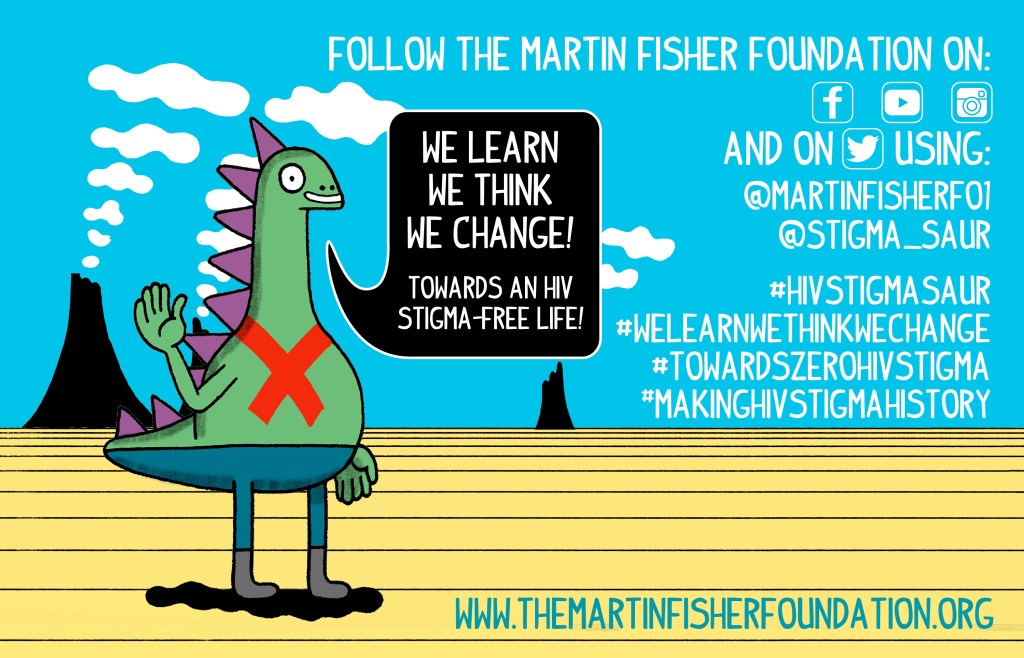
The ideas for the campaign mascot, Stiggy the Stigmasaur, and the motto “We learn, we Think, we Change” also emerged from the workshops. The project team’s designers oversaw the development of the campaign mascot by a professional illustrator and established social media channels to distribute the campaign content.
P3-GP HIV Testing
2017 / Digital/Visual/Service
Project Partners: Brighton GPs, Brighton and Sussex Medical School, and Brighton University, with funding from ViiV Healthcare.
Role:
Project conception, bid preparation, co-researcher and designer (Including service design, visual/graphic design and animation )
Date:
Summer 2020
Design Goals
Initially, this project aimed to promote behaviour change regarding HIV testing services among the workforce in GPs while providing an HIV testing service to patients. Collaborating with three GP surgeries in Brighton and Hove, the programme was led by two clinician champions working with HIV expert clinicians and designers. However, recognising that the potential increase in HIV testing could strain testing labs beyond capacity, the project refocused on creating a lobbying campaign directed at stakeholders and decision-makers to highlight the programme’s benefits and secure additional funding.
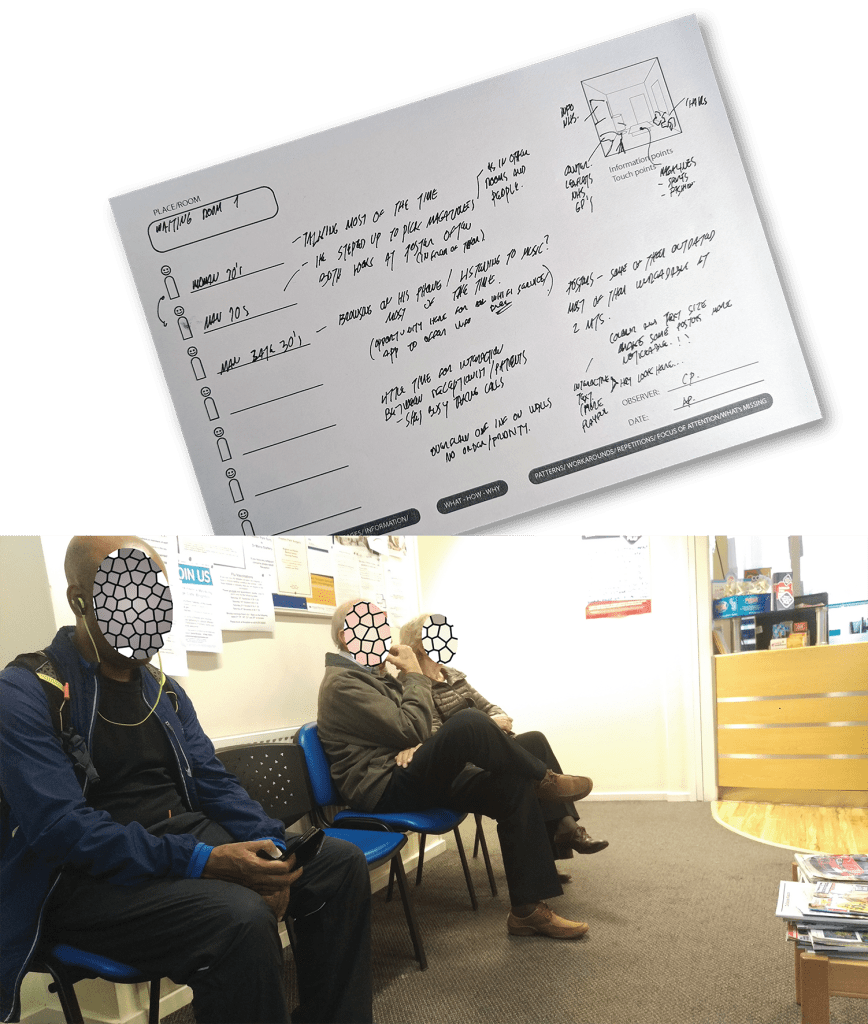
The design team conducted non-participant observations in three GP practices, observing patient behaviours in reception and waiting areas, witnessing live blood sampling, and interviewing nurses and phlebotomists.
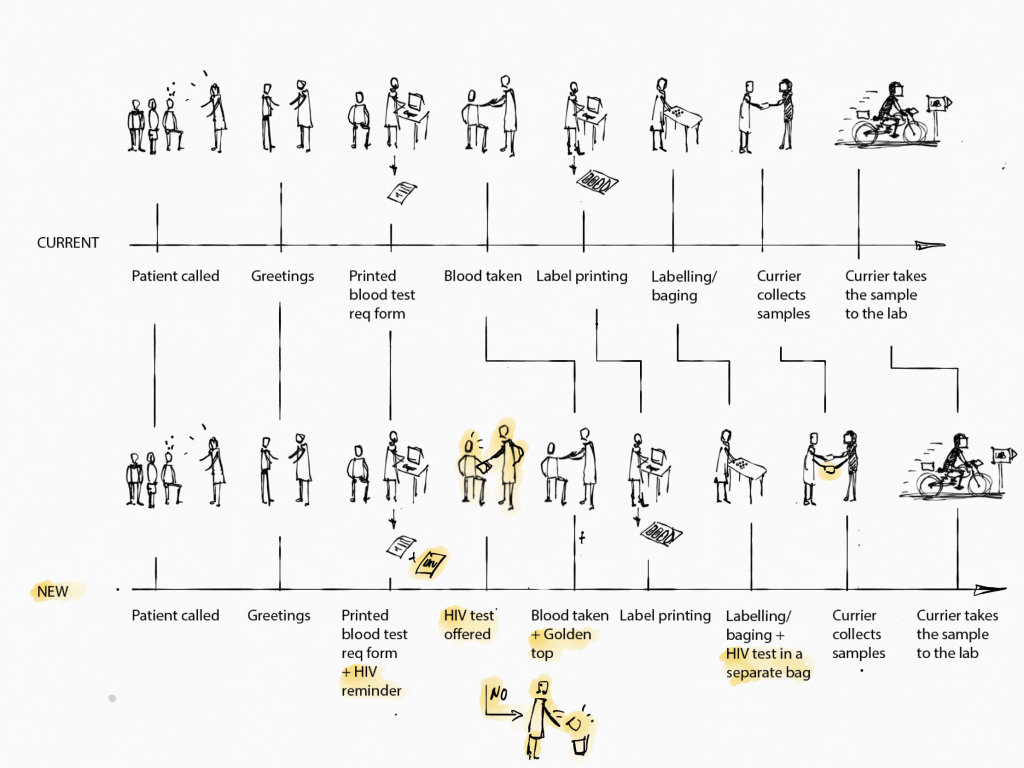
Building on their observations and discussions with the medical team, the designers suggested a revised interaction protocol between phlebotomists and patients to introduce the HIV testing service during blood tests. These proposed changes were presented to project stakeholders through a comparative user journey, visually illustrating and explaining the proposed improvements.
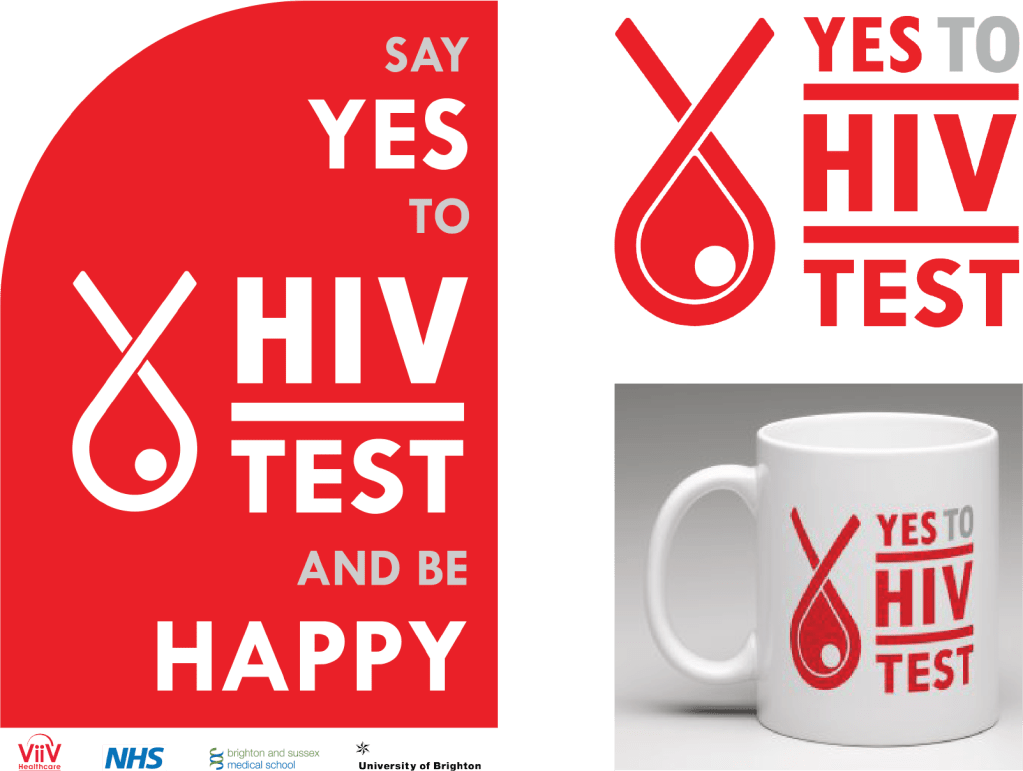
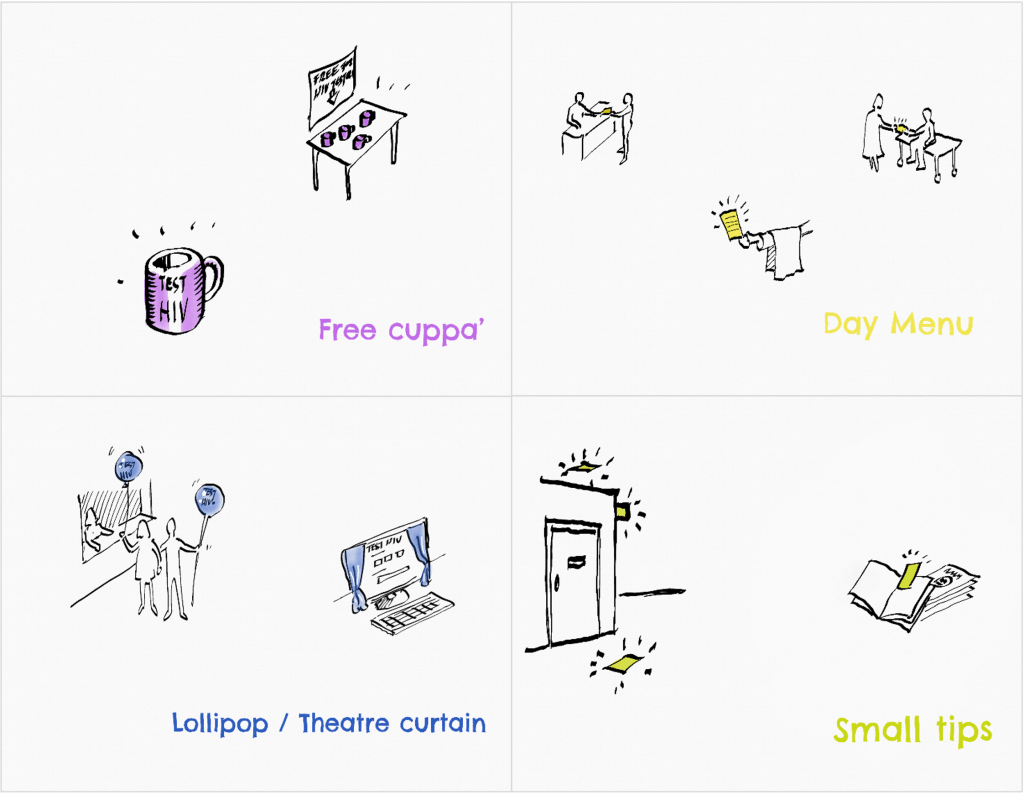
Alongside the new interaction protocols, a campaign ‘motto’ and logo accompanied by visual material was developed to encourage a positive attitude to HIV testing amongst the surgery patients.
As clinicians became aware of the challenges labs face in managing increased HIV testing demand due to limited capacity, they recognised the need to enhance local labs’ test processing capabilities to implement the new protocols and campaigns effectively. As a result, they redirected the project towards a lobbying campaign to persuade the NHS to allocate funds for HIV testing in local labs. In support of these efforts, designers created a video animation at the medical team’s request to explain the new HIV testing service and bolster their lobbying activities.
 Carlos Peralta